
Start with a Varied Plate
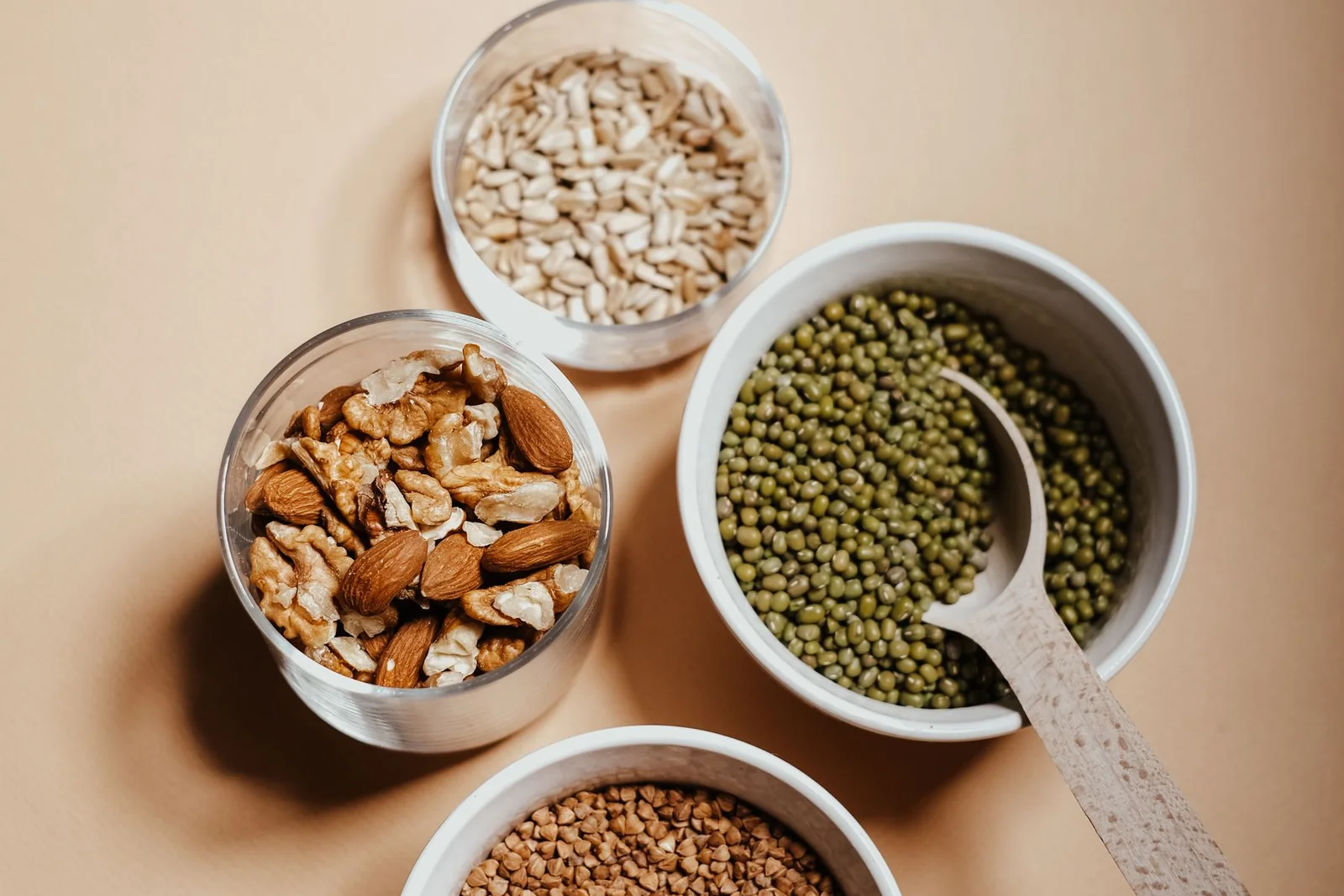
No single food needs to carry the whole plan. A practical approach is to rotate familiar proteins, vegetables, whole grains, dairy foods or alternatives, beans, nuts, seeds, and fish according to preference, access, and individual needs.
Vitamin D
Common food sources include oily fish, egg yolks, and fortified foods. Vitamin D is involved in normal muscle and immune function. Food labels can help identify fortified options because the amount varies between products and countries.
Everyday Food Ideas
- Oily fish served with potatoes and vegetables.
- Eggs with whole-grain bread and a side of vegetables.
- A fortified food used as part of a familiar breakfast.
Magnesium
Pumpkin seeds, almonds, beans, whole grains, and leafy greens are useful food sources. Magnesium supports normal muscle and nerve function. These foods can be spread across meals rather than added all at once.
Everyday Food Ideas
- Beans added to a soup, stew, or grain bowl.
- Leafy greens served with lunch or dinner.
- A small portion of unsalted nuts or seeds with another food.
Zinc
Shellfish, beef, poultry, beans, dairy foods, and seeds can contribute zinc to an everyday diet. Zinc supports normal immune function and protein synthesis. A varied pattern is usually more practical than focusing on one source.
Zinc-Rich Foods for an Everyday Plate
- Poultry with vegetables and a whole-food carbohydrate.
- Beans with whole grains and colourful vegetables.
- Dairy foods used in a meal or snack when suitable.
- Seeds sprinkled over porridge, salad, or soup.
Helpful Tip
Choose one change that fits food you already eat. For example, add beans to a familiar soup or include seeds with breakfast rather than rebuilding the entire menu at once.
Food-First Planning Notes
Appetite, allergies, medication, access, culture, and personal preferences can change what is suitable. Food needs vary from person to person. Use this information as a starting point and speak with a qualified healthcare professional if you have questions about your individual needs.
Keep It Comfortable
This page does not recommend supplements or individual nutrient doses. If a food causes symptoms, if swallowing or appetite is a concern, or if you have been advised to follow a specific diet, seek qualified guidance rather than making a major change from general information.